In This Article
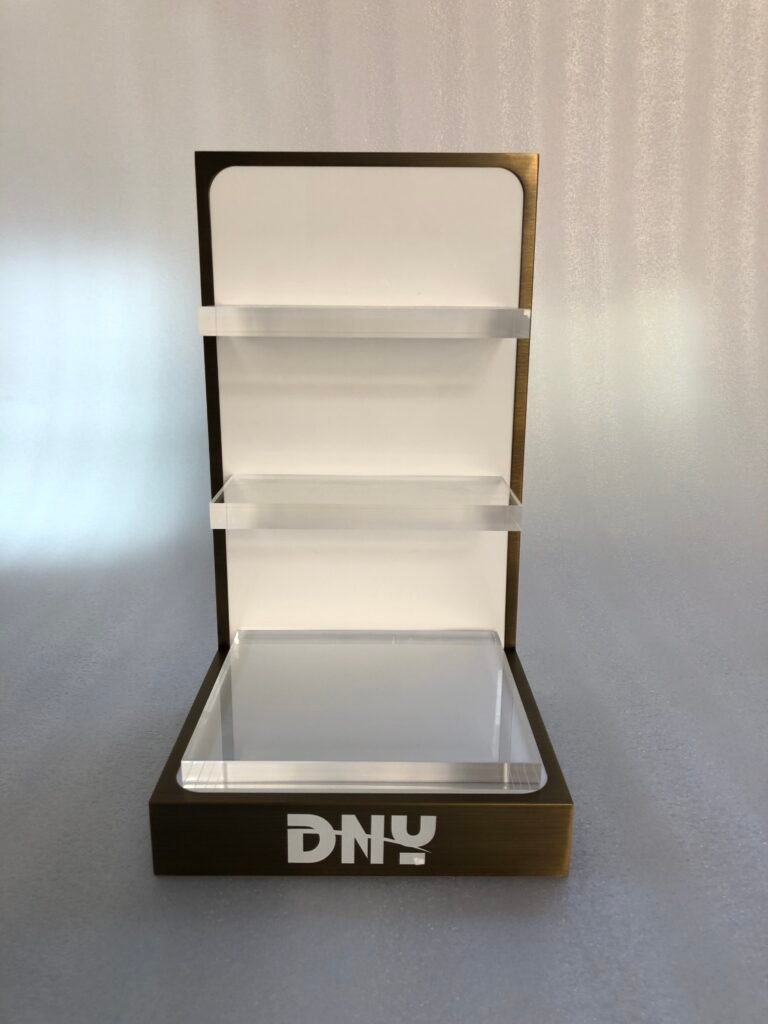
Choosing a custom retail display manufacturer is very different from purchasing a standard display stand from stock.
For a custom project, the manufacturer may need to understand your product dimensions, brand image, retail environment, display function, materials, finish, packaging and delivery requirements before production begins.
The right supplier should therefore do more than simply manufacture a drawing.
A capable custom retail display manufacturer should help turn your idea, reference image or preliminary design into a practical product that can be engineered, sampled, manufactured and delivered.
Start With Design & Engineering Capability
Not every custom display project starts with a finished engineering drawing.
Many buyers begin with a reference image, product sample, approximate dimensions, store concept, hand sketch or simply an idea.
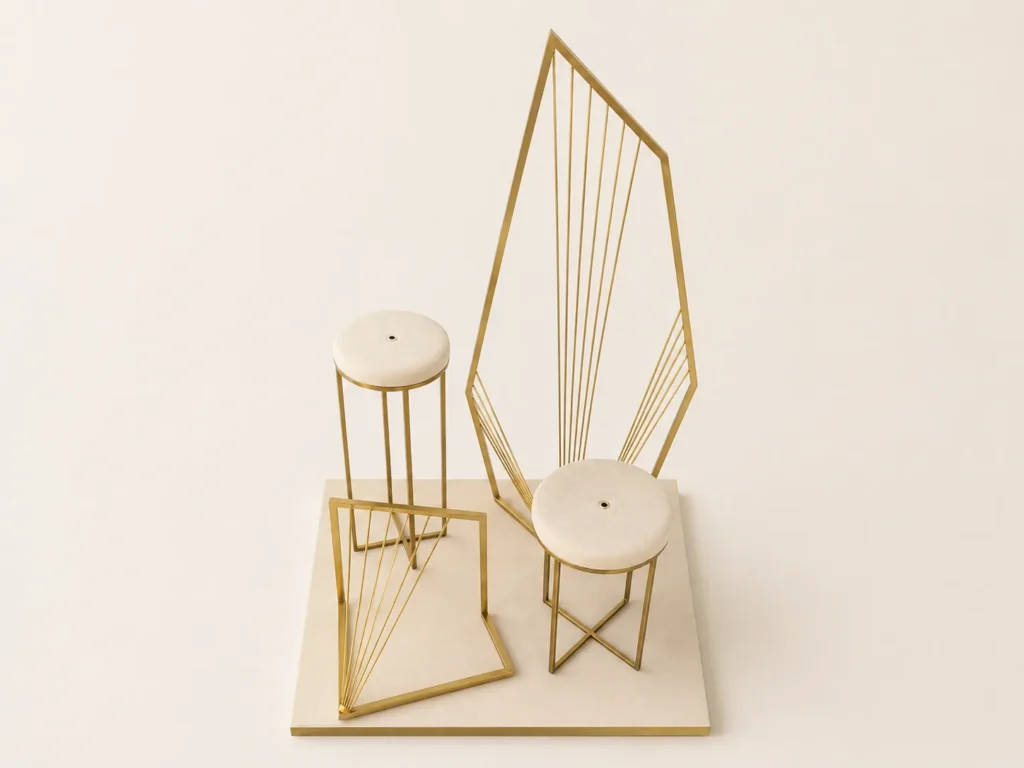
A capable manufacturer should be able to review the product size, display purpose, structure, material and brand direction before sampling.
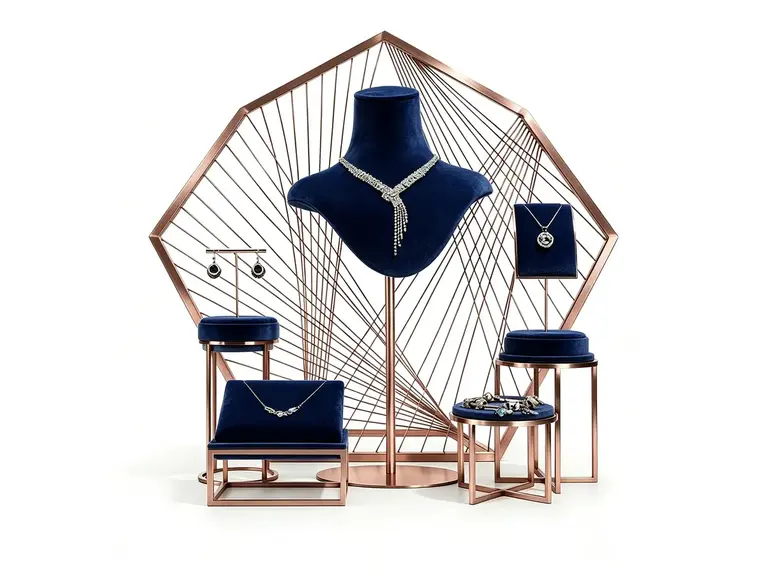
At DNY DISPLAY, custom projects can begin from early concepts or reference images. Our design and engineering team helps develop the idea into a clearer and more practical production direction.
This is especially important for jewelry displays, watch displays, eyewear displays, cosmetic displays, electronics displays and custom store fixtures.
Check Multi-Material Manufacturing Capability
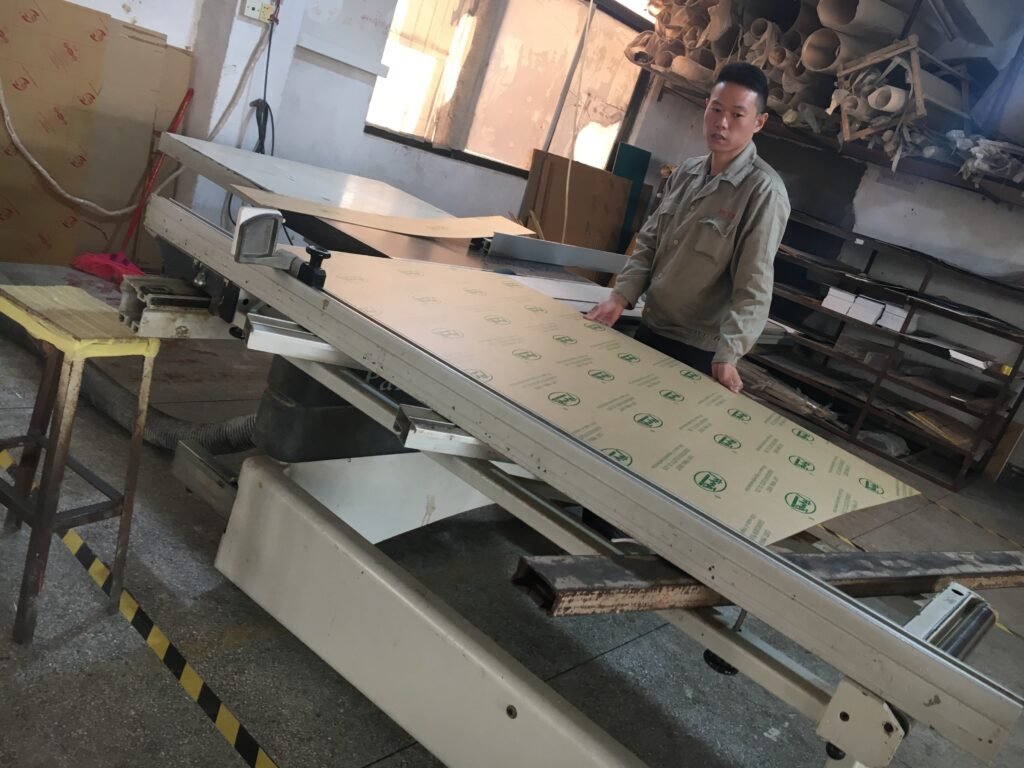
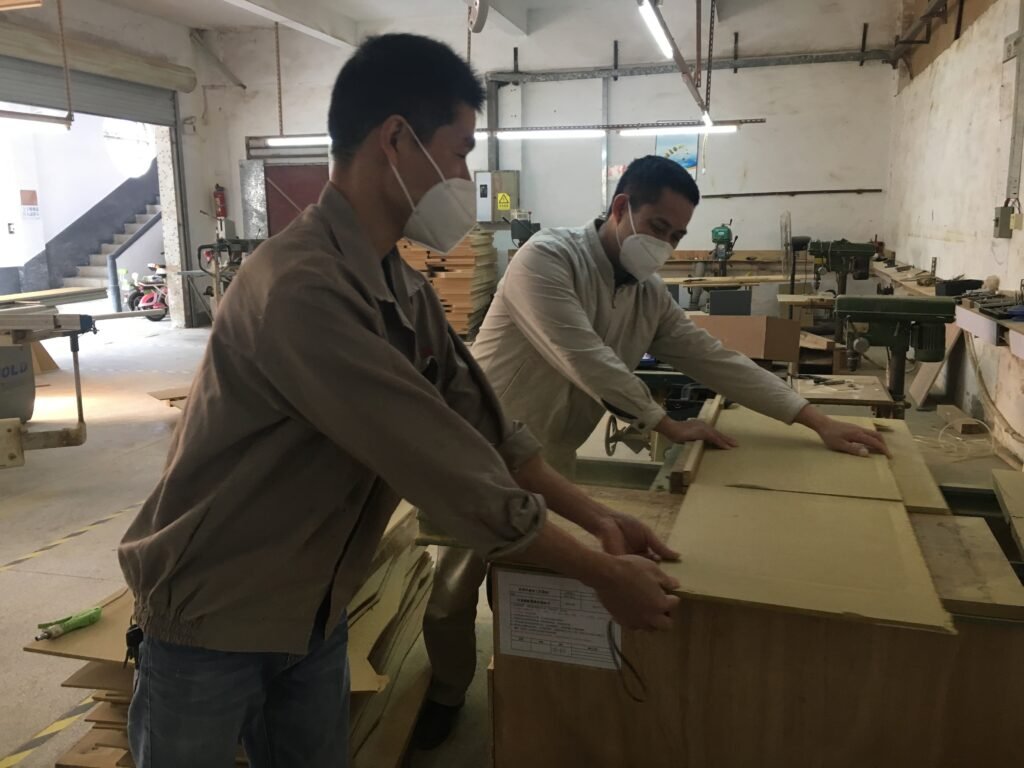
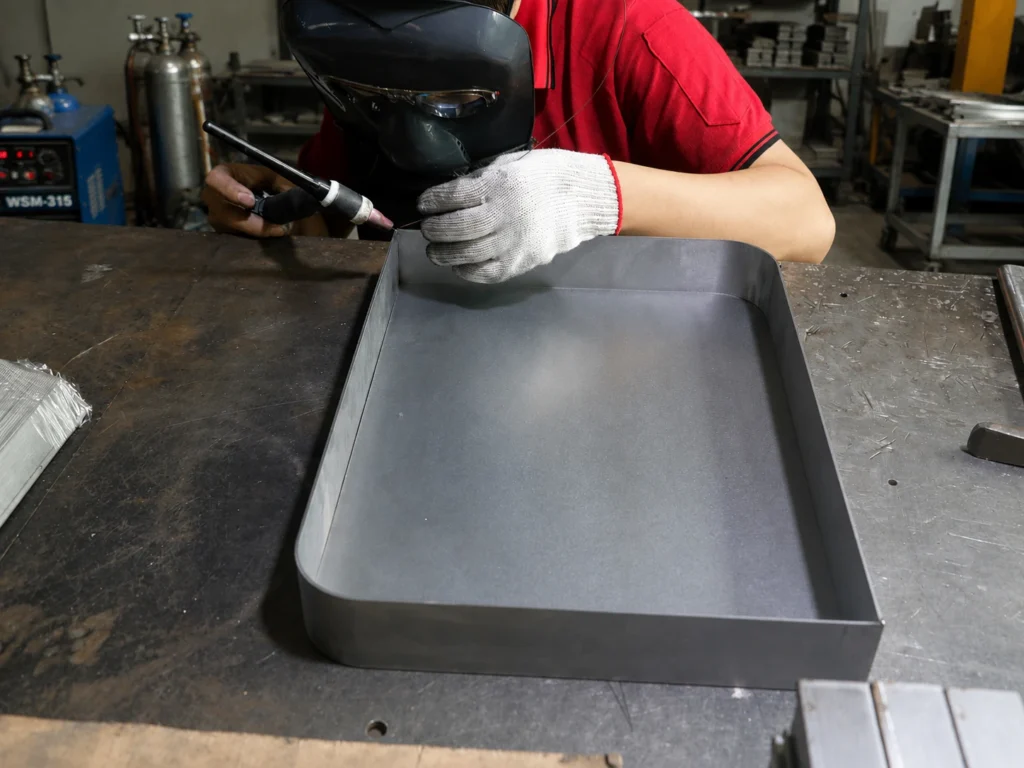
Custom retail displays often combine several materials in one project.
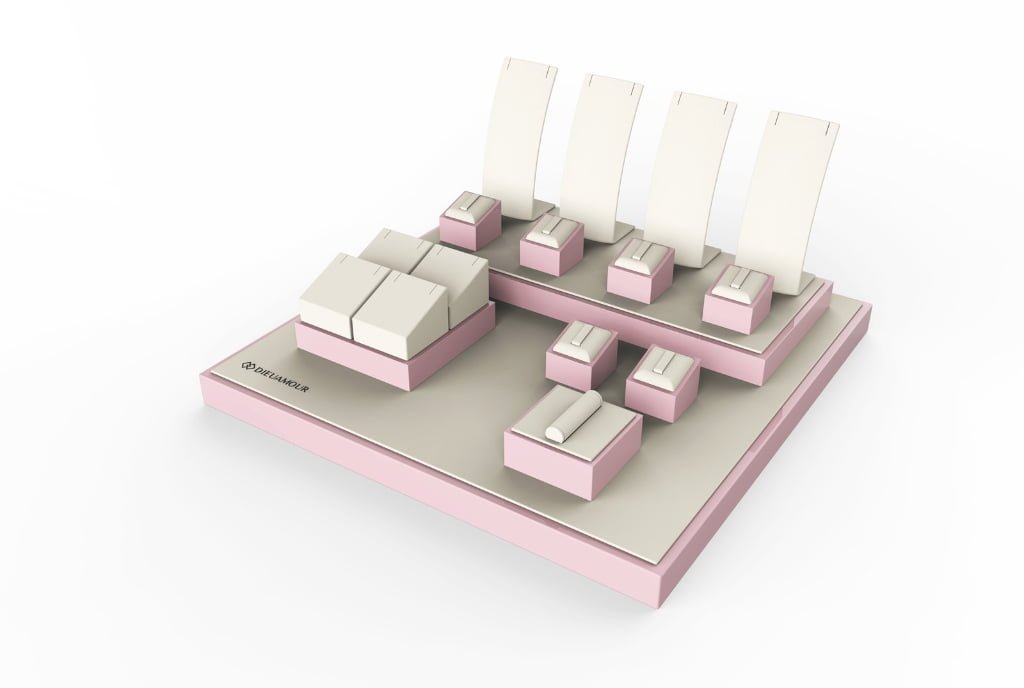
A single display may use MDF or wood for the main structure, acrylic for risers and covers, metal for frames and supports, and microfiber, PU, fabric, glass, lighting or printed graphics for additional presentation details.
For example, a jewelry display may combine an MDF base, microfiber wrapping, electroplated metal components and acrylic logo elements.
This is why buyers should evaluate a manufacturer’s real multi-material production experience, not only its equipment list.
At DNY DISPLAY, different materials and processes can be coordinated within one project to achieve the required structure, finish and retail presentation.
Review the Structure Before Comparing Prices
Price should not be the only factor when comparing custom display manufacturers.
Two suppliers may quote from the same reference image but develop very different internal structures, material specifications and assembly methods. These differences can directly affect stability, appearance, packaging, transportation and production cost.
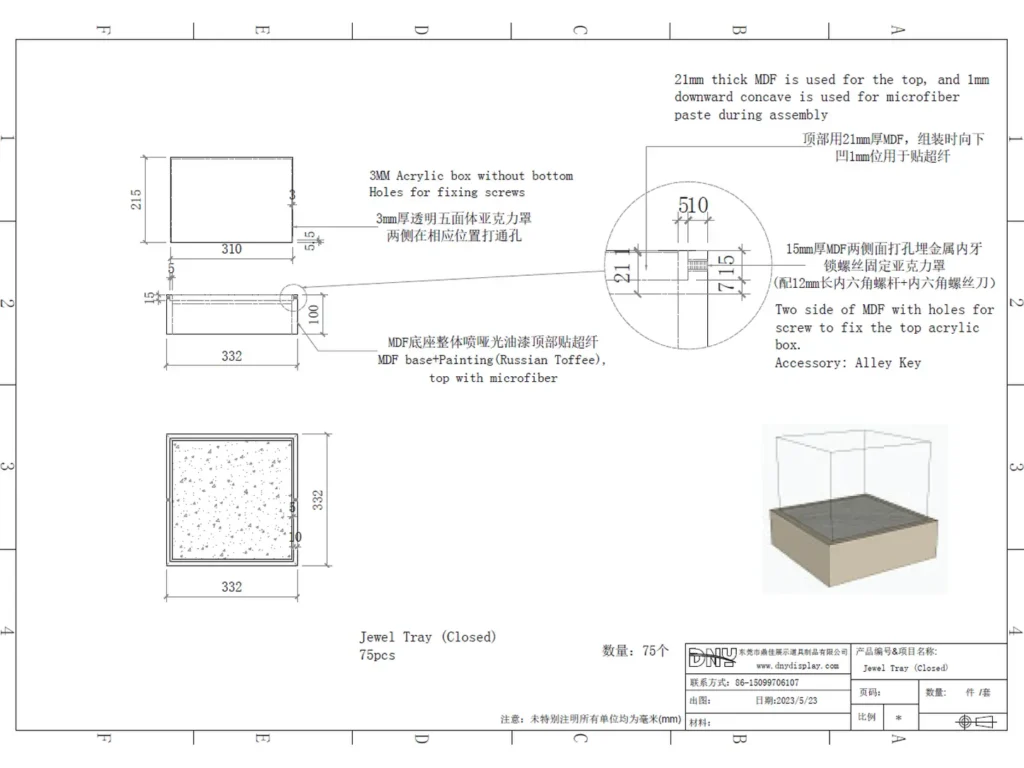
Before confirming mass-production pricing, buyers should review the structure, dimensions, material thickness, assembly method, surface finish, logo application and packaging requirements.
Good engineering is not simply about making a display look correct. It should also make the product practical to manufacture, assemble, pack and deliver.
Develop a Prototype Before Mass Production
A prototype is one of the most important stages in a custom display project.
A 3D rendering can show the appearance, but a physical sample allows buyers to check the actual dimensions, proportion, product fit, material, color, surface finish, logo position, assembly and functionality.
Prototype development can also reveal structural or production issues that may not be obvious in drawings.
At DNY DISPLAY, prototype and sample development is used to confirm the design before mass production, helping reduce production risks and avoid costly changes later.
Pay Attention to Surface Finishing
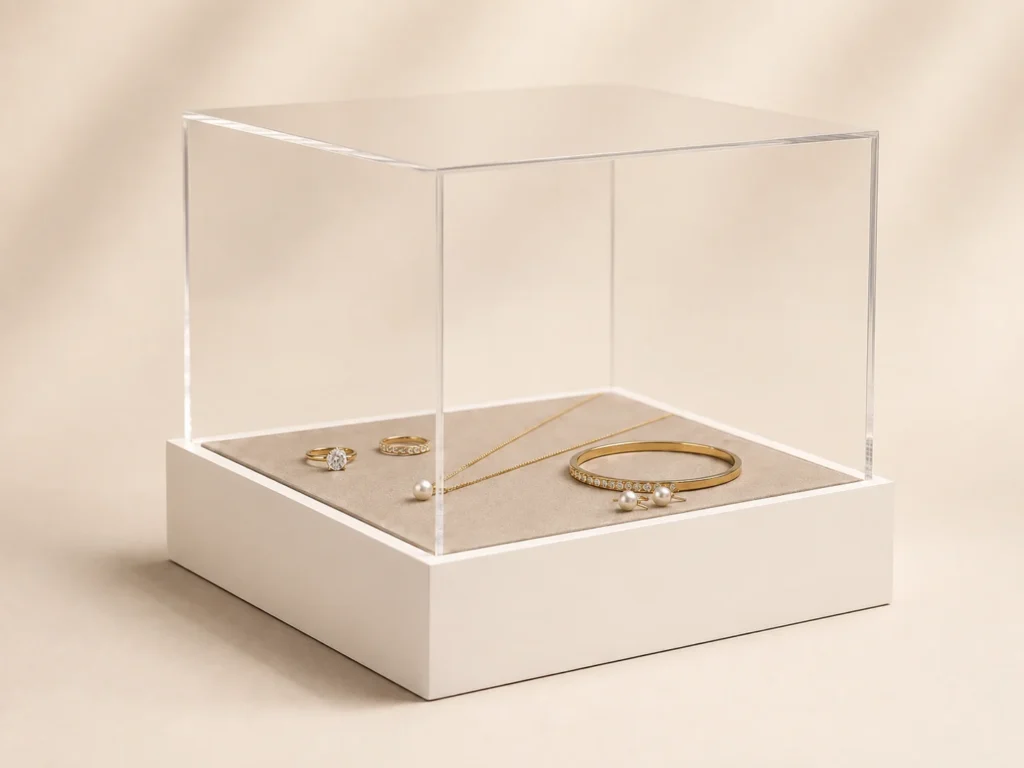
Retail displays are presentation products, so surface finishing has a direct impact on the final appearance and perceived quality.
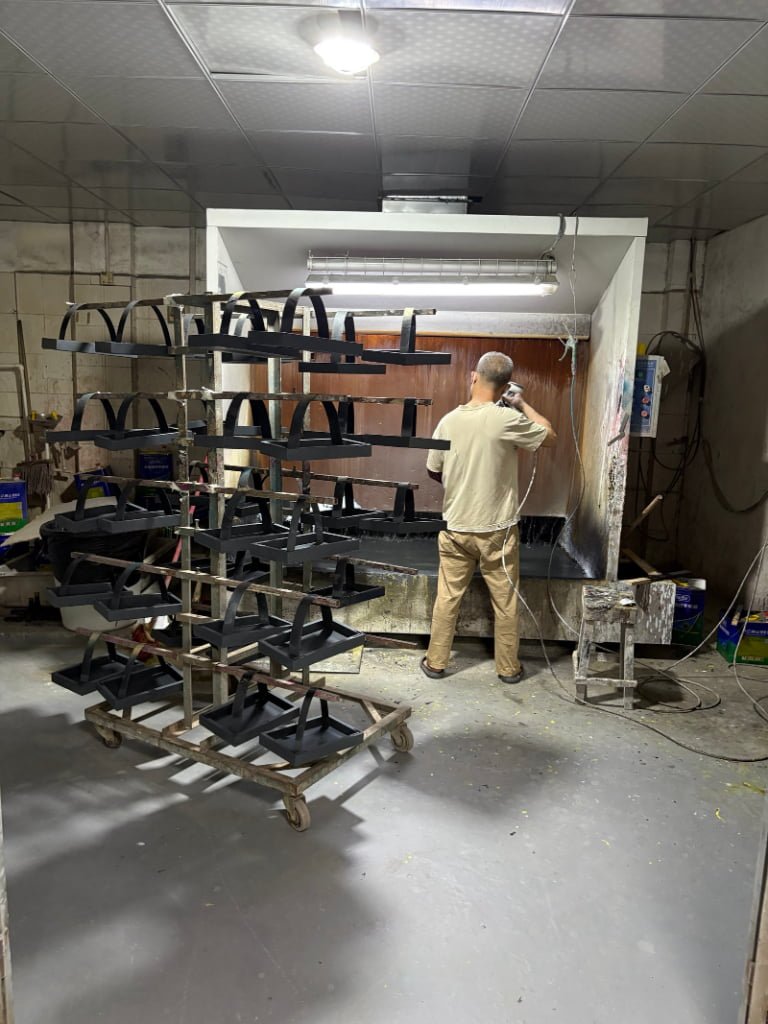
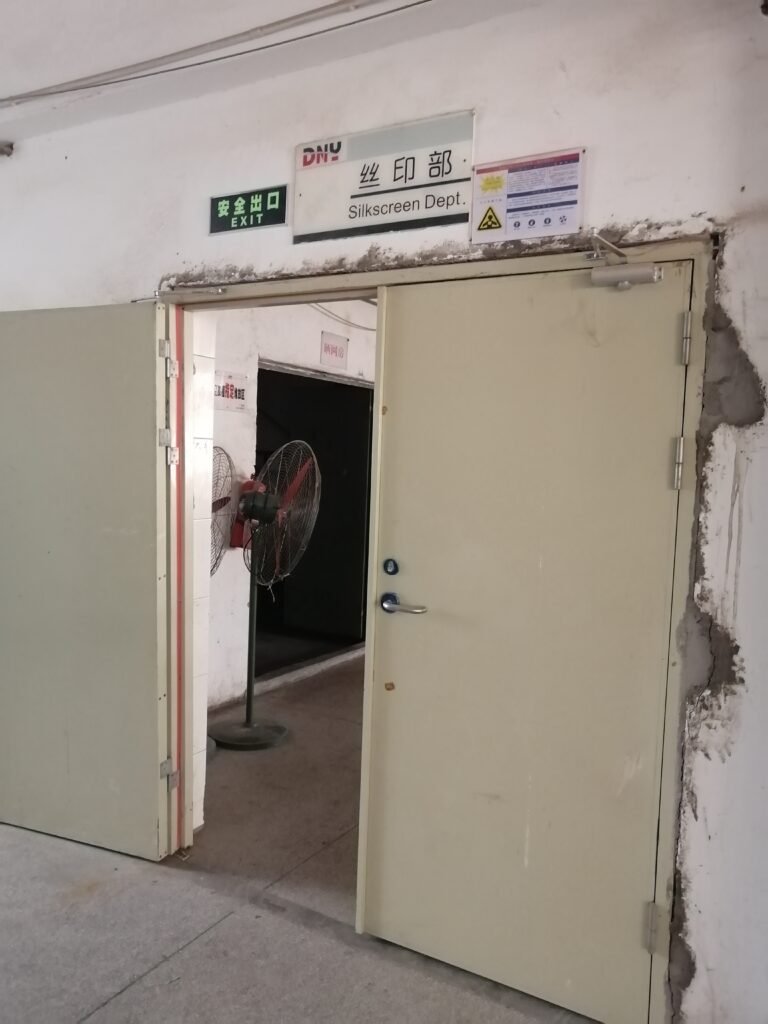
Depending on the project, common finishes may include matte or high-gloss paint, powder coating, electroplating, brushed metal, polishing, microfiber or PU wrapping, UV printing, silk-screen printing and engraving.
For jewelry, watch and cosmetic displays in particular, small differences in color, texture, edge finishing and logo application can significantly affect the overall presentation.
Buyers should therefore review real samples and finishing quality, not only 3D renderings or reference images.
Quality Control Should Be Part of Production
Quality control should not begin only after production is complete.
For custom retail display projects, important checkpoints may include incoming materials, dimensions, structure, surface finishing, logo position, assembly, functionality and final packaging.
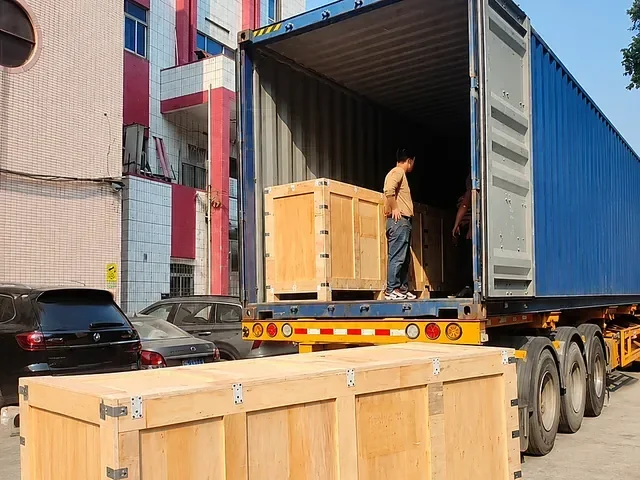
Identifying problems during production is much easier and less costly than correcting them after the goods have been shipped overseas.
DNY DISPLAY follows an ISO 9001:2015 quality management system and carries out inspection before shipment to help ensure the approved specifications are followed.
Evaluate Communication & Project Management
Custom manufacturing involves many small decisions throughout the project.
Dimensions may change, materials may need adjustment, logo artwork may be updated, samples may require revisions, and packaging or delivery schedules can also change.
For overseas buyers, clear communication and consistent project follow-up are therefore just as important as manufacturing capability.
A reliable supplier should be able to explain technical issues clearly, provide drawings or samples for approval, identify possible risks before production, and keep buyers updated throughout sampling, production, inspection and shipment.
DNY DISPLAY supports custom projects from initial requirements through production and delivery, helping buyers keep each stage clear and manageable.
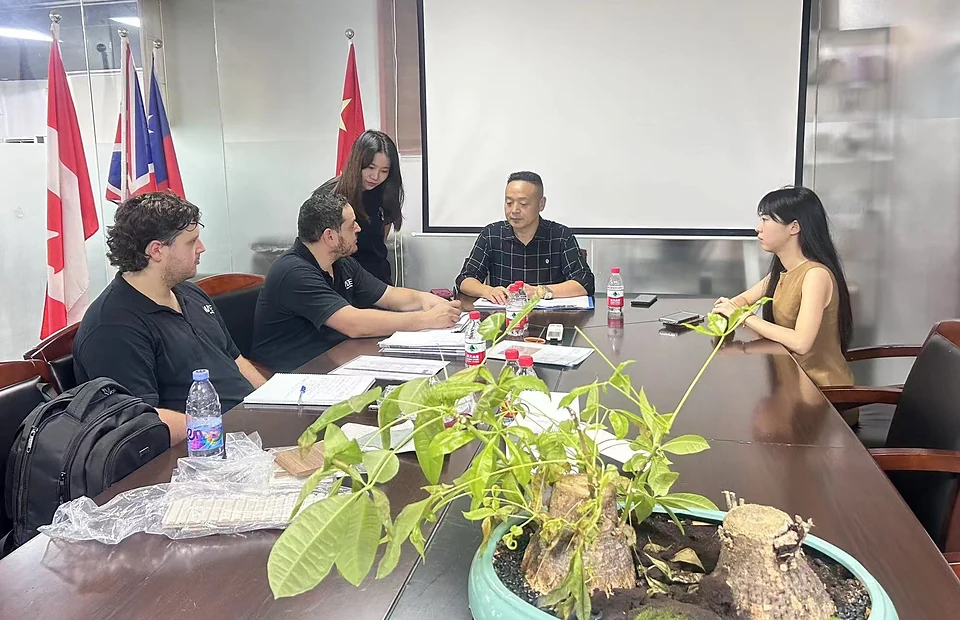
What Information Should You Send for a Custom Display Quote?
You do not need to prepare a complete engineering package before contacting a custom display manufacturer.
A good starting point can include your product dimensions, reference images, approximate display size, expected quantity, preferred materials or finishes, logo requirements, delivery country and target schedule.
If some details are still unclear, DNY DISPLAY can help review the project requirements and recommend a practical direction before prototype development.
The more information available at the beginning, the easier it is to evaluate the structure, materials, production process, estimated cost and project timeline.
Helpful information for quotation:
• Product dimensions
• Reference images or drawings
• Approximate display size
• Expected quantity
• Preferred materials and finishes
• Logo or branding requirements
• Delivery country
• Target schedule
Work With DNY DISPLAY on Your Next Custom Display Project
Since 2006, DNY DISPLAY has developed and manufactured custom retail displays and store fixtures for international projects.
Our capabilities include jewelry displays, watch displays, eyewear displays, cosmetic displays, electronics displays, metal displays, acrylic displays, wood displays, logo signs and custom store fixtures.
Projects can begin from drawings, reference images, product dimensions or an early display idea.
DNY DISPLAY can support the complete development process, including design review, engineering, prototype development, production, inspection, packing and international delivery.
If you are planning a custom display project, send us your drawings, reference images, product dimensions, expected quantity and project requirements. Our team can help review the project and recommend a practical production approach.